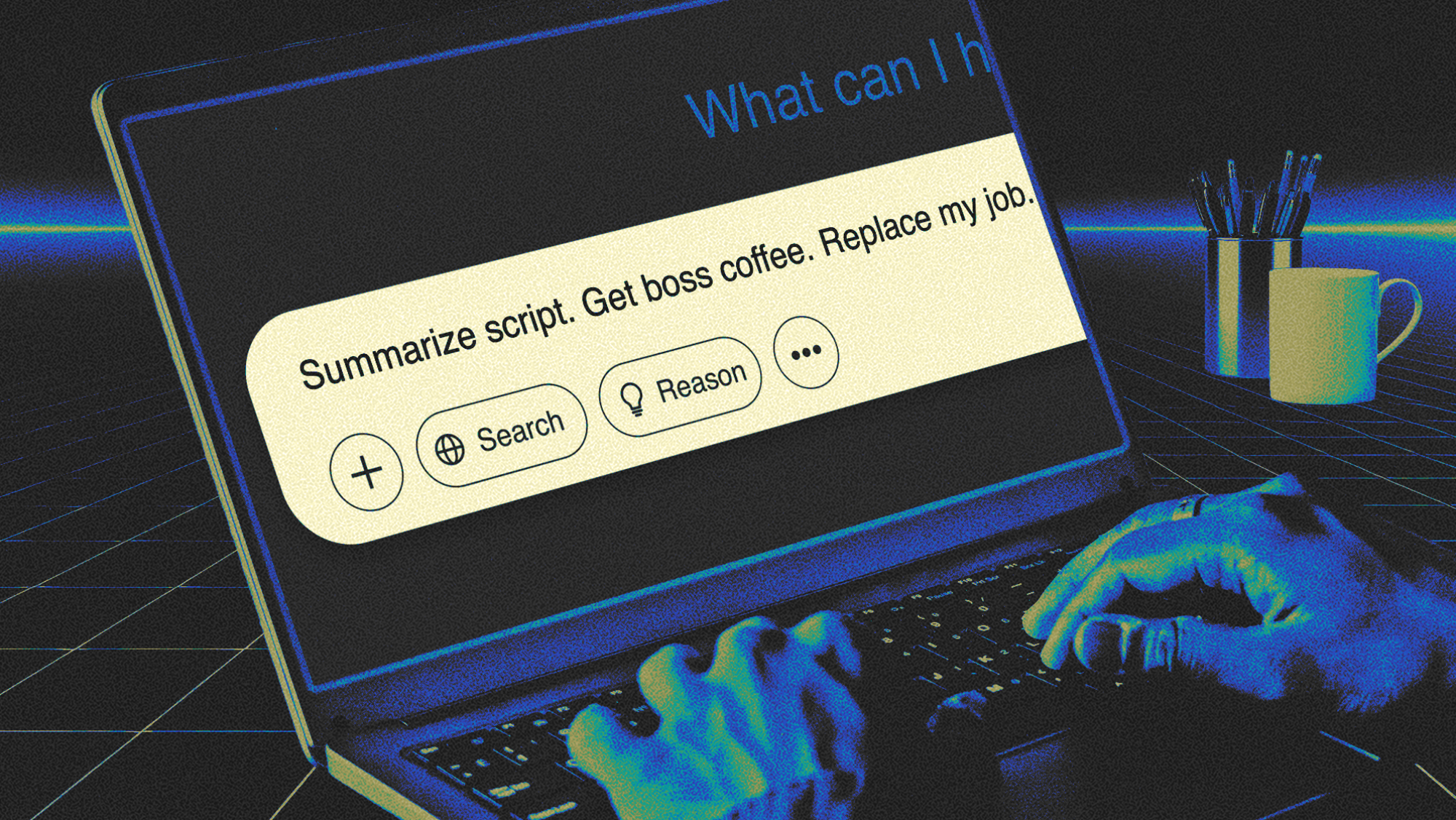
As artificial intelligence rapidly reshapes the entertainment industry, the Primetime Emmy Awards have stepped into the conversation, attempting to define how AI fits into creative recognition. New guidance around AI usage signals an effort to balance innovation with the integrity of human storytelling. But for writers, the conversation is far from settled.
The Television Academy clarified that AI can be used as a tool in production, but eligibility for awards will still depend on meaningful human authorship. In simple terms, AI assistance is allowed, but it cannot replace the creative contribution that defines writing, directing, or performance.
This move comes in the wake of growing concerns from guilds such as the Writers Guild of America, which has been vocal about protecting writers’ roles in an increasingly automated landscape. During recent industry tensions, AI became a central issue, with writers demanding safeguards against studios using technology to replicate or replace original work.
For many in the writing community, the Emmys’ stance feels like a starting point rather than a solution. While acknowledging AI as a tool is pragmatic, writers argue that clearer boundaries are needed to prevent misuse. Questions remain about how much AI involvement is too much, and how to fairly credit creative ownership in hybrid workflows.
Studios and tech advocates, on the other hand, view AI as an efficiency booster that can support creativity rather than diminish it. From drafting ideas to streamlining production processes, AI’s role continues to expand, making it difficult for institutions to draw firm lines.
Ultimately, the Emmys’ approach reflects a broader industry struggle to adapt to technological disruption without undermining the value of human creativity. As AI tools become more sophisticated, the tension between innovation and authorship will likely intensify, with writers continuing to demand a stronger voice in shaping the rules that define their craft.